Lords of the Fallen II Gameplay Reveal and Epic Games Store Exclusivity: CI Games’ Strategic Gamble
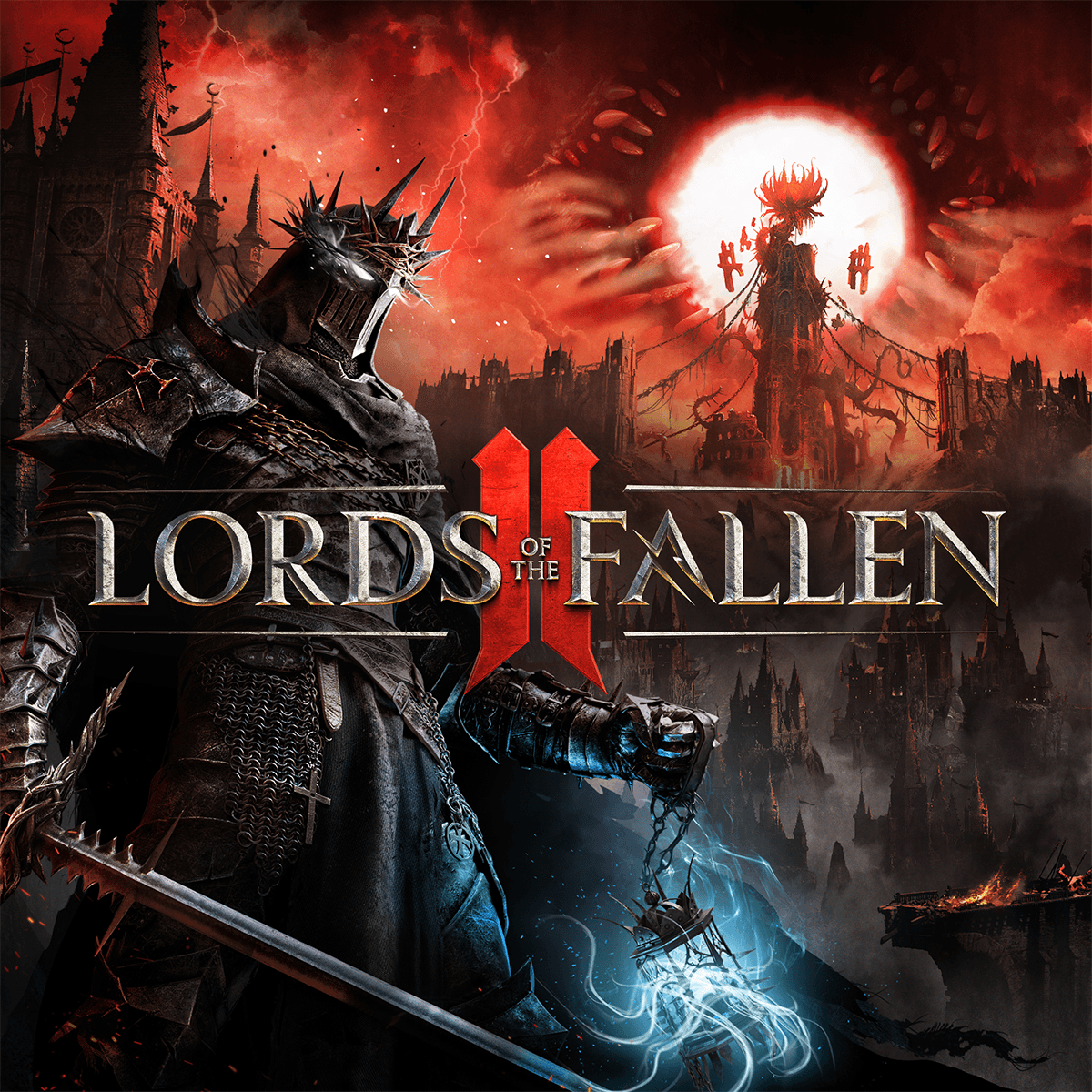
CI Games releases a new Lords of the Fallen II gameplay trailer amid its Epic Games Store exclusivity, testing franchise momentum and marketplace dynamics for the 2026 sequel.
Lords of the Fallen II Gameplay Reveal and Epic Games Store Exclusivity: CI Games’ Strategic Gamble
CI Games’ release of a gameplay trailer for Lords of the Fallen II has shifted industry focus from anticipation to measurable market potential. The footage provides an early look at combat systems, enemy encounters, and technical presentation, but it arrives against a backdrop complicated by platform strategy: the sequel will launch on PC exclusively through the Epic Games Store rather than on Steam, a notable divergence from the original game’s multi-storefront availability. This exclusivity deal highlights broader commercial calculations that balance revenue guarantees and distribution reach against community sentiment and ecosystem fragmentation.
Market Context: Soulslikes, Franchise Value, and Platform Dynamics
The Soulslike subgenre remains one of the most commercially dynamic segments of the action-RPG market, with sustained success for titles that combine challenge and depth with platform accessibility. The original Lords of the Fallen reboot released in 2023 across major platforms, including Steam, and achieved strong lifetime sales that crossed two million units, demonstrating both demand for the franchise and potential brand durability. That performance supported CI Games’ rationale for advancing a sequel.
However, Lords of the Fallen II arrives at a time when platform distribution strategies are increasingly consequential. The decision to partner with Epic Games for exclusive PC distribution represents a strategic pivot; Epic Games will be the primary digital storefront for the PC edition, requiring players to use an Epic account and launcher. Industry reporting and official disclosures indicate that the game will not be available on Steam at launch, a decision that has elicited debate among PC gaming communities given Steam’s dominant market share and established user base.
Financial Background and Publisher Strategy
CI Games’ exclusivity agreement with Epic Games is rooted in a binding term sheet granting Epic worldwide distribution rights for the PC version over the title’s lifecycle. Such deals typically include financial incentives, such as guaranteed minimum revenues or marketing support, in exchange for platform exclusivity. For midsize developers, this can mitigate financial risk and help secure project funding without dilution of IP ownership or control. Exclusive arrangements also reflect broader industry trends where digital storefronts compete for differentiated offerings. Epic Games Store’s lower revenue share model (12 percent compared with higher cuts at some competitors) and waivers on royalties for Unreal Engine titles aim to make such exclusivity attractive to developers. However, unlike first-party console exclusives, PC exclusivity through third-party storefronts can fragment player communities and influence word-of-mouth momentum, particularly for genres with strong social and modding cultures.
Trailer and Technical Impressions: Readying for Market Judgement
The gameplay trailer for Lords of the Fallen II underscores CI Games’ intention to showcase refined mechanics and visual direction earlier in the marketing cycle. Such reveals serve not only as promotional tools but also as early indicators of production quality and genre competitiveness. Combat clarity, enemy design variety, and responsiveness cues from the trailer will likely inform early sentiment among creators and influencers, shaping wishlist growth and community anticipation. These funnel metrics are especially crucial given the absence of Steam’s built-in discovery systems, which can drive organic engagement.
Business Impact: Exclusive Distribution vs. Community Expectations
Platform exclusivity on the Epic Games Store introduces both upside and risk. On the positive side, the financial terms may provide steadier support for development and marketing, enabling the team to allocate resources toward stability, co-op systems, and post-launch content planning. Such backing is a strategic asset for midsized studios that otherwise lack the scale of global publishers.
On the other hand, the absence of Steam at launch could dampen visibility among PC players who prioritize that storefront’s ecosystem. This effect may constrain early wishlist accumulation relative to how the original title performed, potentially affecting first-week sales projections. Given the importance of launch window performance in the action-RPG space, channel limitations may influence both revenue and critical momentum. The broader gaming community’s response to exclusivity decisions also factors into long-term sentiment, with vocal pockets of resistance potentially shaping narrative context in forums and review aggregation in the run-up to release.
Strategic Conclusions and Signals to Watch
The Lords of the Fallen II gameplay reveal emphasizes production confidence, yet the Epic Games Store exclusivity raises questions about distribution impact and community reception. For CI Games, success will hinge on converting trailer interest into durable engagement signals that compensate for platform fragmentation. Analysts and observers will want to track metrics such as wishlist velocity on Epic, follower growth persistence, sentiment trends across social platforms, and creator engagement quality. Comparisons to franchise benchmarks and other Epic-exclusive releases will offer insight into how platform strategy affects commercial outcomes.
Ultimately, Lords of the Fallen II represents a strategic inflection point for CI Games, balancing financial support and creative autonomy against the potential friction inherent in exclusive distribution. How well this balance translates into long-term franchise growth will be revealed as marketing execution continues and player engagement data emerges. Continued monitoring of objective intent signals will be essential in assessing whether this sequel converts early awareness into lasting market success.